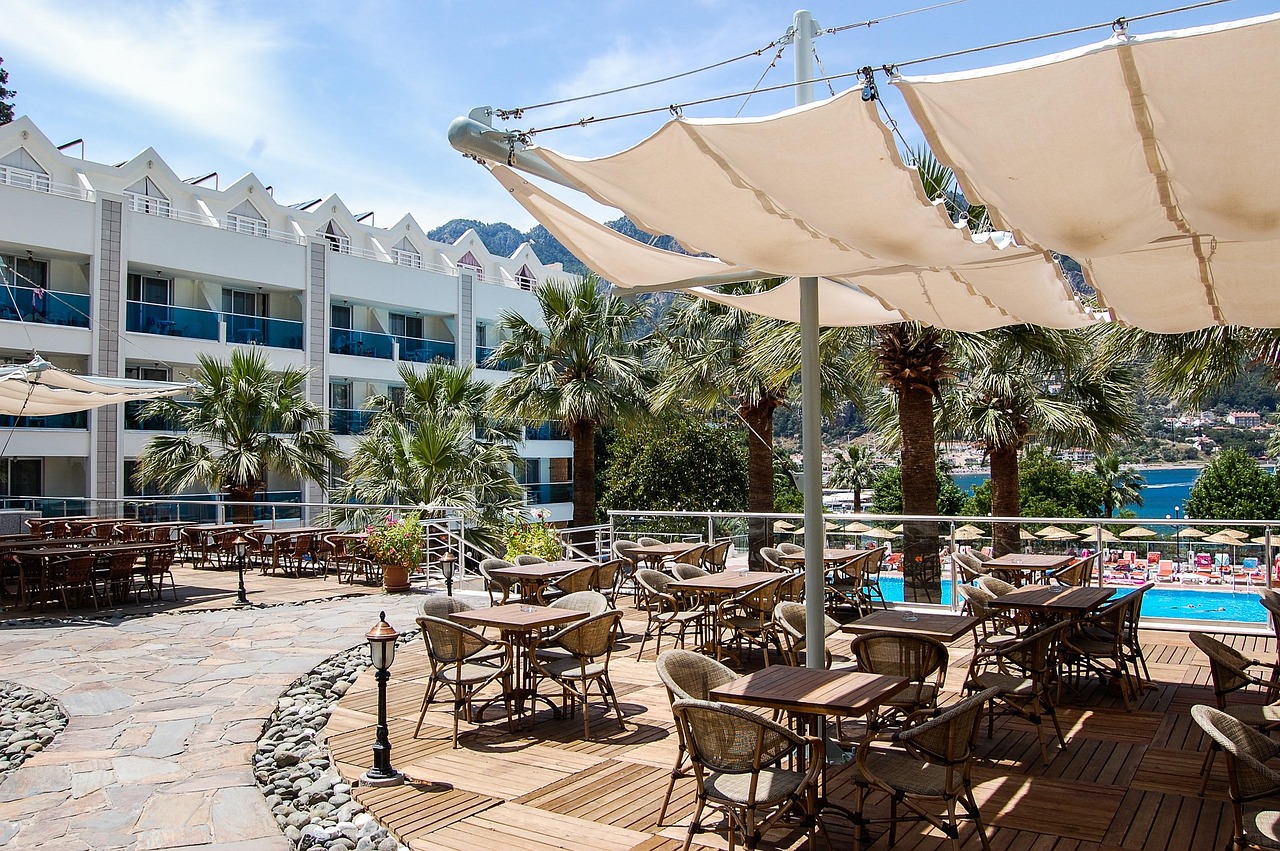
Seasonality has always shaped hospitality demand. From Mediterranean summer peaks to winter city breaks and shoulder-season business travel, guest intent rises and falls in predictable patterns. Yet many hospitality brands still approach seasonal marketing reactively, producing content late, inconsistently, or without a clear view of how campaigns perform across regions and channels.
For marketing and digital teams responsible for multiple properties and markets, seasonal content planning is less about filling a calendar and more about aligning brand, timing, and relevance. Done well, it keeps a property or portfolio visible long before guests are ready to book and ensures content remains accurate when demand accelerates.
Understanding seasonal demand beyond the calendar
Seasonal hotel marketing is often framed around obvious peaks such as summer, Christmas, or major public holidays. In practice, travel behaviour is influenced by a wider mix of factors, including school calendars, regional events, airline capacity, and evolving traveller preferences.
Research from UNWTO shows that European travel demand is increasingly fragmented across the year, with strong growth in shoulder seasons as travellers seek better value and less crowded destinations [1]. At the same time, Google travel insights indicate that inspiration and research often begin months before arrival, particularly for leisure trips tied to fixed dates such as festivals or school holidays [2].
For hospitality brands, this means seasonal content planning should start with demand signals, not campaign deadlines. Mapping when guests research, compare, and book allows teams to publish content early enough to influence decisions rather than simply react to them.
Structuring campaigns around local relevance
One of the most effective ways to stand out during peak and off-peak periods is to anchor campaigns in the local context. Guests may book a property, but they often travel for an experience tied to a place.
Local festivals, cultural events, exhibitions, sporting fixtures, and seasonal dining trends provide natural content hooks. In EMEA, this local variation is especially pronounced, with different public holidays, school breaks, and travel habits across countries and even regions.
The challenge is operational. Content teams often rely on property-level input, manual updates, and last-minute approvals. This increases the risk of outdated event information, inconsistent tone, or missed opportunities when multiple markets compete for attention at the same time.
A structured approach helps. High-performing hospitality teams typically:
- Maintain a shared seasonal planning framework across regions
- Identify tier-one events with broad appeal and tier-two events with local relevance
- Create adaptable content themes that can be localized without rewriting from scratch
This balance allows brands to remain locally authentic while protecting overall brand consistency.
Planning for off-peak without going quiet
Off-peak periods are often treated as gaps to be filled with discounts or tactical offers. While pricing remains important, content plays a different role during low-demand windows.
Industry analysis from Skift highlights that travellers increasingly value inspiration, flexibility, and experiential storytelling outside peak seasons [3]. Content that focuses on slower travel, wellness, culinary experiences, or remote working can resonate strongly during these periods.
From a content operations perspective, off-peak seasons are also an opportunity. Teams have more time to refresh evergreen pages, update property information, and test new formats across social media and owned channels. This groundwork often determines how effectively a brand performs when demand returns.
Managing omnichannel complexity at peak moments
Seasonal campaigns rarely live in one place. A single promotion or event-driven message may appear across brand websites, property pages, email, social media for hospitality brands, and third-party listings.
During peak periods, this creates pressure. Content updates must be fast, accurate, and aligned across channels. Yet many hospitality organizations still rely on fragmented tools and manual processes, making it difficult to maintain oversight.
The result is familiar. Guests encounter conflicting information, expired offers, or inconsistent messaging depending on where they look. Beyond immediate revenue impact, this erodes trust and brand perception.
Modern hospitality content management increasingly focuses on centralizing control while allowing local teams to execute. When seasonal updates can be rolled out from a single source of truth, brands reduce risk and improve speed without sacrificing regional relevance.
Measuring what seasonal content actually delivers
Seasonal campaigns often end without a clear understanding of what worked. Performance data may sit in separate analytics tools, social platforms, or booking systems, making it hard to connect content activity to outcomes.
According to McKinsey, organizations that link digital content performance to commercial metrics are significantly more likely to outperform peers [4]. In hospitality, this means understanding which seasonal stories drive engagement, which channels influence bookings, and where content investment delivers the strongest return.
This insight informs future planning. Over time, brands can shift from repeating the same seasonal playbook each year to refining campaigns based on evidence, not assumptions.
Looking ahead: seasonal planning at scale
As hospitality portfolios grow more complex and guest expectations continue to rise, seasonal content planning is becoming a strategic capability rather than a marketing task. The shift is towards systems that support long-range planning, automate updates, and provide clear governance without slowing teams down.
Across the industry, AI-enabled tools are increasingly used to support content creation, consistency checks, and performance analysis. Not as a replacement for human insight, but as a way to manage volume and complexity across properties, regions, and seasons.
For hospitality leaders, the opportunity lies in treating seasonal campaigns as part of a continuous content lifecycle. Planned early, governed centrally, and executed locally, seasonal content becomes a driver of sustained digital guest engagement rather than a recurring operational strain.
Summary
- Seasonal content planning works best when campaigns are anchored to real travel demand patterns, not just calendar dates.
- Local events, school holidays, and regional travel behaviour across EMEA should shape both timing and messaging.
- Centralized content planning reduces the risk of outdated offers and inconsistent brand voice during peak periods.
- Off-peak seasons present strong opportunities for storytelling, loyalty building, and long-lead bookings.
- Modern hospitality content management increasingly relies on automation and oversight to scale seasonal campaigns effectively.
References
- [1] UNWTO, Tourism Trends and Seasonality in Europe, 2023.
- [2] Google, Travel Search Trends and Booking Behaviour, 2024.
- [3] Skift, Global Travel Trends Report, 2024.
- [4] McKinsey, The Value of Data-Driven Marketing, 2023.